October 20, 2026
How to Follow Up on a Quote and Close More Cleaning Sales
Learn how to follow up on a quote with timing, templates, and tactics that turn estimates into booked cleaning jobs. Practical advice for cleaning businesses.
Wednesday, April 22, 2026
Hiring cleaning employees? Learn to draft effective write-ups. Correct behavior, boost retention, and protect your business with our 2026 guide.
.png)
You finally fill the open route. The new hire shows up with a good attitude, gets through training, and seems promising. Then the same problems start stacking up. Late arrivals on Monday. Missed dusting on Friday. A client texts photos of a half-cleaned bathroom. You give a verbal warning, then another, and hope the employee settles in.
That’s where many owners lose control of the hiring process.
Hiring cleaning employees isn’t just about finding someone willing to do the work. It’s about building a system that helps people succeed after they’re on the schedule. In a trade where turnover sits at 42%, and some contract cleaning segments see 200% to 400% turnover, retention has become a top priority for 78% of businesses according to cleaning industry workforce statistics. If you don’t manage performance well, you keep paying to replace the same position.
Most owners treat write-ups like the final step before firing. That’s a mistake. A good write-up is a communication tool. It tells the employee exactly what went wrong, why it matters, and what must change next.
In cleaning, small issues become expensive fast. One missed room detail can trigger a re-clean. One no-call, no-show can force you to reshuffle a full day. One employee with a casual attitude about checklists can drag down the standards of the whole crew. If that behavior never gets documented, the employee often thinks the problem isn’t serious.
A write-up creates clarity. Verbal coaching has its place, but verbal coaching is easy to forget, soften, or deny later. Written documentation gives both sides something concrete to work from.
That matters even more after hiring. You already spent time recruiting, screening, onboarding, and covering their ramp-up mistakes. If the employee can be corrected, a write-up helps do that. If they can’t, the write-up protects the business.
A write-up should answer one question clearly: what has to change by the next shift?
Owners who want to keep people longer should also look at the reasons employees leave. Exit patterns usually reveal whether the problem was hiring, training, supervision, or fit. If you want a smart framework for that, these Top Exit Survey Examples to Improve Employee Retention are useful because they help you identify what your team isn’t saying during day-to-day operations.
The strongest hiring process doesn’t end on day one. It continues through expectations, coaching, correction, and follow-through. That’s why a lot of owners benefit from formalizing how they move applicants into active team management. Tools that support hiring workflow, such as an applicant tracking system for cleaning businesses, help on the front end. But the back end still depends on managers documenting performance clearly.
This is the part many operators avoid because it feels uncomfortable. It shouldn’t. A clean, factual write-up often saves an employee who would otherwise drift into termination.
Some owners wait too long. Others write people up for every annoyance and create a culture of tension. The right move sits in the middle. You document when the issue is no longer random and is now a pattern, a policy problem, or a trust problem.
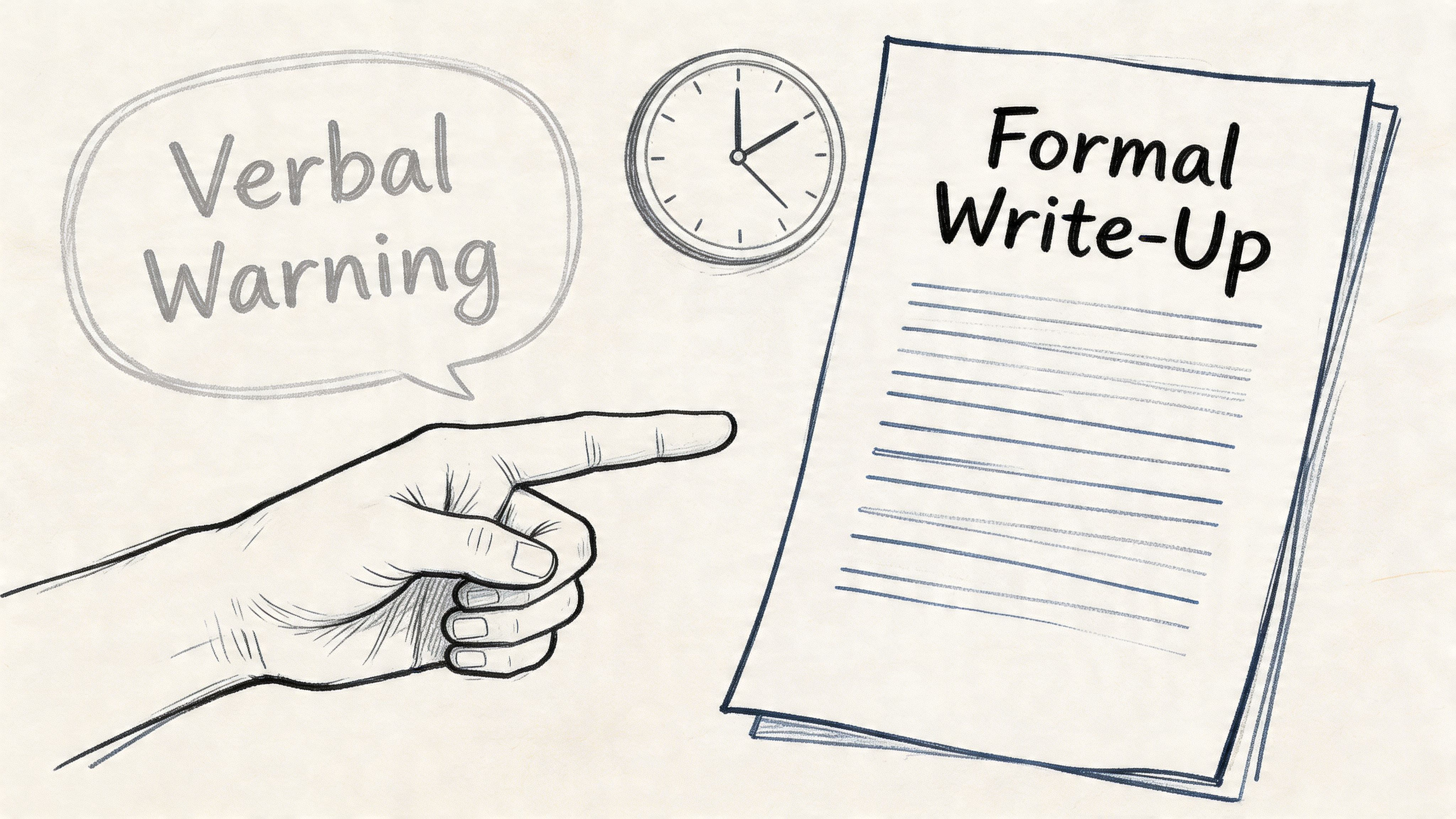
One of the biggest reasons new cleaning hires fail is that the reality of the work doesn’t match what they expected. The job is physical, repetitive, time-sensitive, and sometimes unpleasant. As discussed in this video on realistic job expectations in cleaning work, unmet expectations around the physical demands and nature of the job drive turnover, and realistic job previews have been shown to reduce turnover by up to 50% in physically demanding roles. That’s why early correction matters. If an employee is struggling, silence doesn’t help them.
A formal write-up makes sense when you see one of these:
Use a verbal warning when the issue looks isolated and coachable. Move to a write-up when one of these conditions is true:
| Situation | Better response |
|---|---|
| First-time minor mistake with no real impact | Verbal coaching |
| Same issue after prior discussion | Formal write-up |
| Policy or safety violation | Immediate documentation |
| Client complaint tied to repeat behavior | Formal write-up |
| Attitude issue affecting others | Document after clear verbal correction |
If you need a plain-language reference for understanding what an employee write-up entails, that guide is useful because it frames the document as part of process and accountability, not just punishment.
Early documentation prevents emotional management. You stop reacting to the last bad day and start managing the actual pattern.
Attendance trends are usually the easiest place to start. If you’re relying on texts and memory, you’ll miss patterns or apply standards unevenly. Even basic time and attendance software for cleaning teams makes these decisions fairer because you can point to actual records instead of arguing about what happened.
A weak write-up is emotional, vague, and easy to challenge. A strong one is boring. That’s exactly what you want. It reads like a record, not a rant.
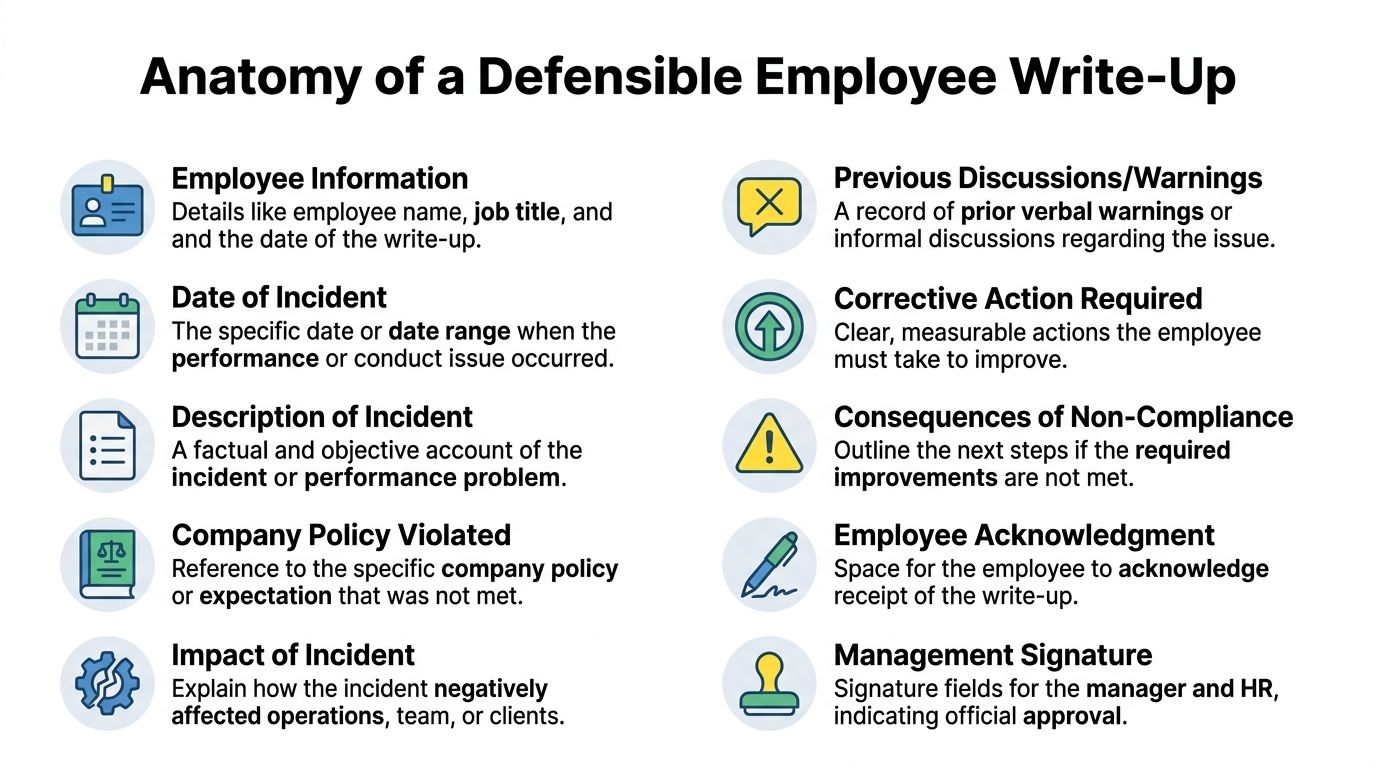
Cleaning companies that use structured hiring, training, and performance management processes report retention rates up to 50% higher than industry averages, according to Smoworks on hiring a winning cleaning staff. That only happens when documentation is specific enough to guide behavior.
Start with the basics and don’t skip fields that seem obvious.
Then describe the problem in factual language.
Bad write-up language sounds like this:
Bad write-ups assume intent. Good ones describe conduct.
Stick to what a camera, checklist, or witness could confirm.
This matters a lot in cleaning work because performance often gets judged in seconds. A client doesn’t know whether the cleaner was rushed, undertrained, distracted, or dealing with a bad supply caddy. They only know the room wasn’t done right. Your write-up has to separate facts from feelings.
A write-up without a next step is just paperwork. The employee needs a real path to improvement.
That usually includes:
What must change immediately
“Arrive ready to clock in at scheduled start time.”
What standard will be used
“Complete assigned checklist fully before leaving the site.”
How support will be provided
“Shadow lead technician for next two visits.”
When review happens
“Supervisor check-in after next scheduled shifts.”
What happens if there’s no improvement
“Further discipline, up to and including termination.”
For quality issues, don’t write broad goals like “do better” or “improve cleaning.” Tie the correction to the actual work. A professional deep cleaning checklist is a good example of how standards should look. Clear tasks produce cleaner documentation because everybody can see what was assigned and what was missed.
Employee Write-Up Template
Employee name:
Position:
Date of write-up:
Date of incident or pattern:
Location/account:Description of issue
State the facts of what occurred, including specific tasks missed, attendance issue, conduct issue, or policy breach.Policy or standard involved
Cite the relevant handbook policy, training rule, checklist item, or direct instruction.Business impact
Note the operational result, such as re-clean required, client dissatisfaction, scheduling disruption, or team impact.Previous coaching or warnings
List prior verbal discussions, retraining, or earlier documentation.Corrective action required
State what the employee must do differently, when improvement must begin, and how it will be reviewed.Consequences if issue continues
State the next disciplinary step.Employee comments:
Employee signature:
Manager signature:
Date:
A good write-up should be clear enough that another manager could read it a month later and understand exactly what happened, what standard was missed, and what response was appropriate.
The meeting matters as much as the document. You can have a solid write-up and still mishandle the conversation badly enough to lose the employee or create a bigger conflict.
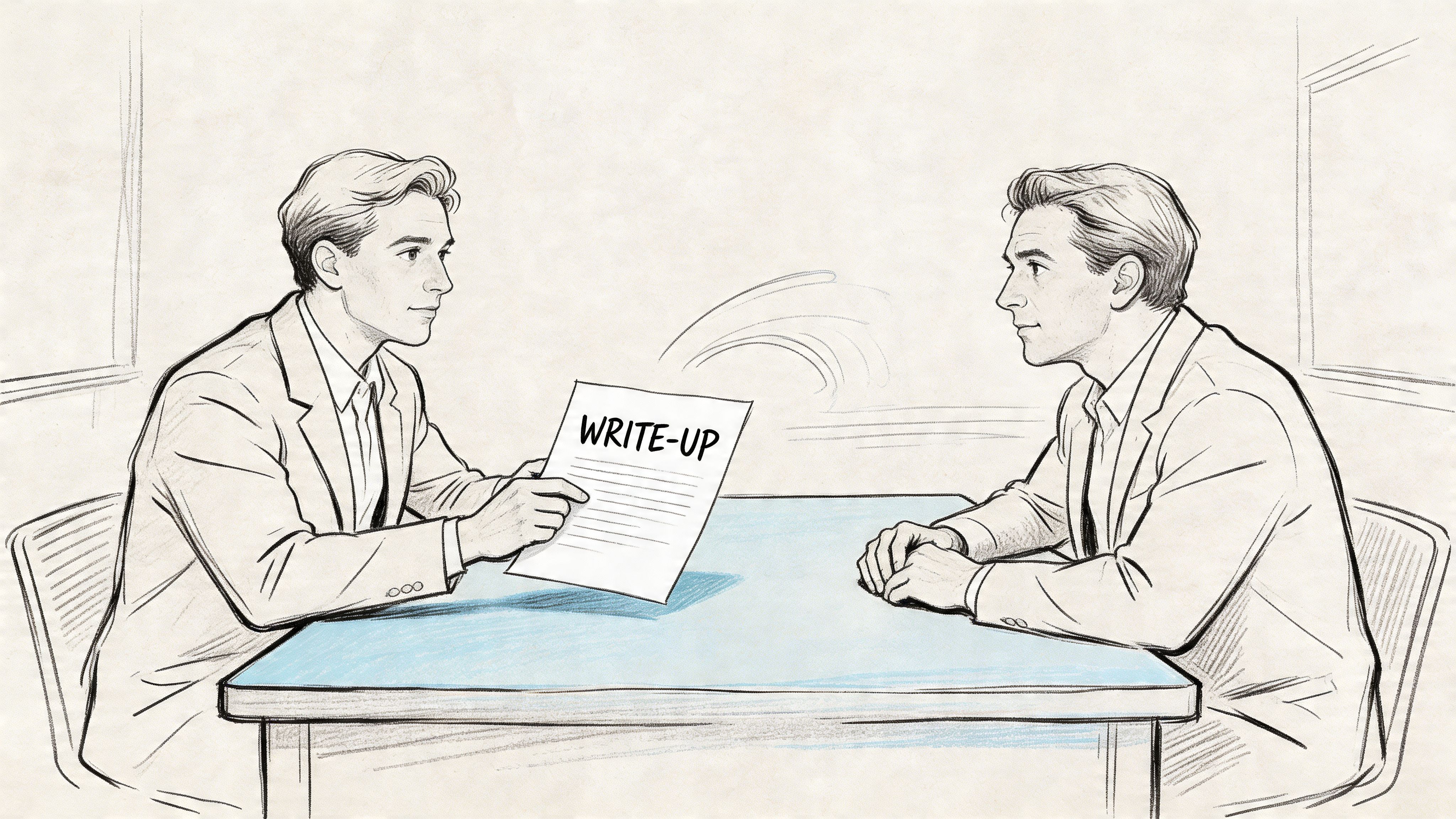
A write-up meeting should feel controlled, private, and respectful. Not friendly in a loose way, and not hostile either. You’re there to address performance, not to win an argument.
Pick a private setting. Don’t do this in front of the crew, in a supply room with the door open, or on a client driveway. Sit down if possible. Have the document printed and ready.
Open with a direct sentence. Something like: “We need to review a documented performance issue and the steps required moving forward.” That puts the employee on clear footing.
Then stay with the facts already written down. Don’t pile on old frustrations that aren’t in the document. Don’t bring up personality complaints unless they connect to documented behavior.
Use language that is firm and specific:
The employee should have a chance to respond. Let them talk. Listen without letting the meeting turn into a debate over unrelated grievances. If they give context that matters, note it. If they deny the facts, return to the record calmly.
A write-up meeting goes better when the employee leaves with direction, not humiliation.
A lot of owners struggle here because they’re already overloaded. They’re selling, scheduling, handling client messages, and managing the team at the same time. But growth doesn’t come from adding more chaos. It comes from running people conversations cleanly, the same way you’d want a route or checklist run cleanly. That discipline becomes even more important when you’re focused on how to grow a cleaning business without losing service consistency.
This training video is worth watching if you want a visual example of calm workplace coaching during a difficult conversation.
You don’t need a long speech. Most write-up meetings should follow a simple sequence:
If the employee becomes emotional, don’t mirror it. Slow down. Re-state the point. End the meeting once the document has been reviewed and next steps are clear.
Small cleaning businesses often operate without an HR department. That doesn’t reduce risk. It increases it. The biggest problems usually come from inconsistency, sloppy language, and making disciplinary decisions on instinct.
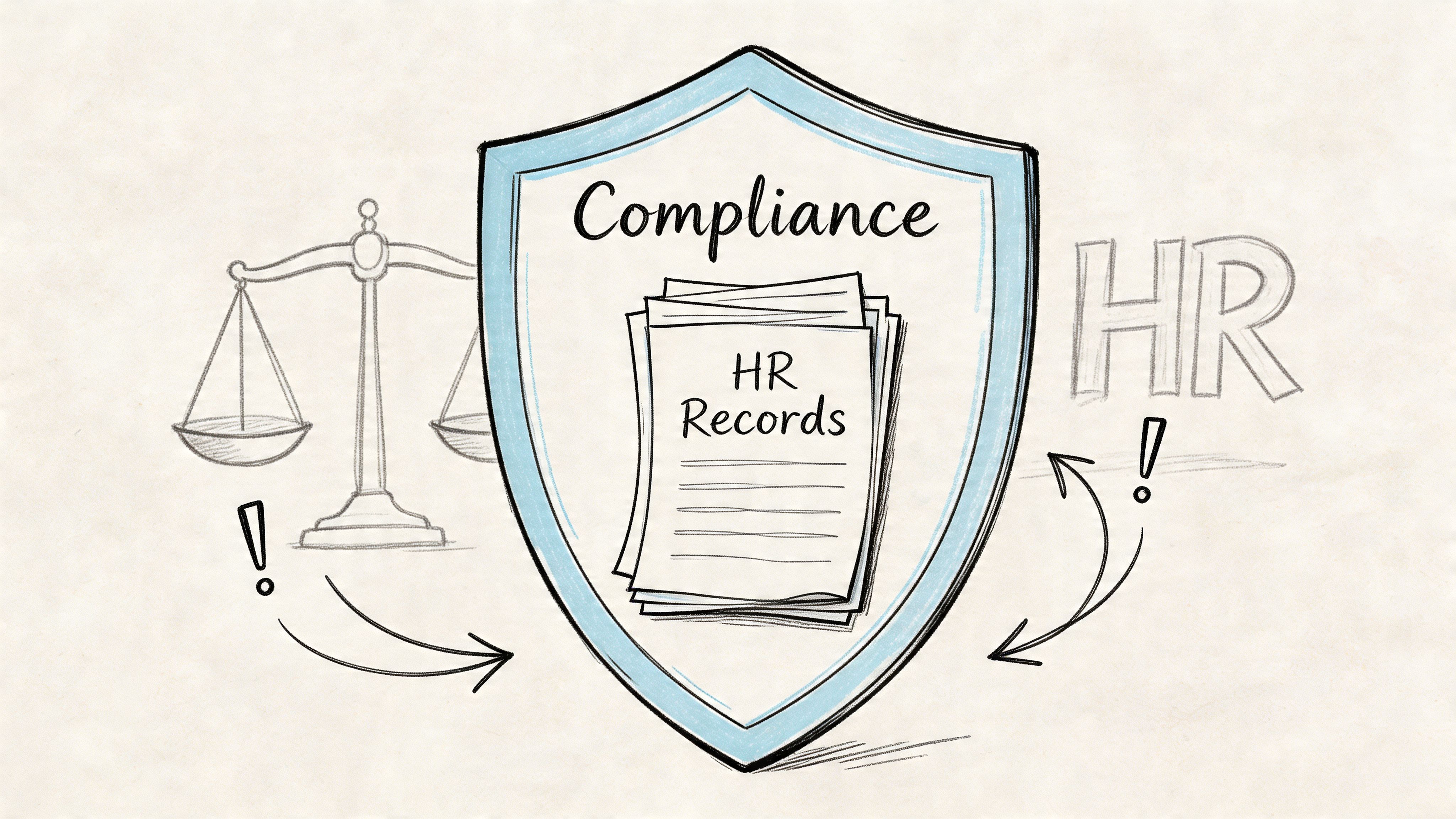
That risk gets expensive fast. The average cost to hire a new cleaning employee ranges from $3,000 to $5,000 when recruitment, training, and lost productivity are included, according to Truein’s guide to cleaning and janitorial hiring. Poor performance management can turn that investment into a revolving door.
If two employees commit the same violation, your response should be comparable unless there’s a documented reason for the difference. That’s where many owners get exposed. They excuse one employee because the person is likable, then come down hard on another for the same conduct.
Ask yourself:
If the answer is shaky, fix the process before you act.
Write-ups should avoid loaded phrases. Don’t describe someone as lazy, unstable, dishonest, aggressive, or untrustworthy unless you’re documenting a specific act that supports the label. Even then, document the act itself.
Use neutral wording:
| Risky wording | Safer wording |
|---|---|
| “Bad attitude” | “Spoke over supervisor during instruction and refused assigned task” |
| “Careless” | “Left cleaning supplies unsecured in client area” |
| “Unreliable” | “Arrived after scheduled start time on documented occasions” |
If the document reads like you’re venting, rewrite it before it goes in the file.
“At-will” employment gives owners flexibility, but it doesn’t excuse inconsistent enforcement, retaliation, or poor documentation. If the situation involves protected leave, accommodation issues, wage disputes, harassment complaints, or possible discrimination concerns, stop guessing and get HR or legal guidance.
Insurance is only one layer of protection. Operational discipline is another. Owners who already pay attention to liability insurance for a cleaning company should treat documentation with the same seriousness. Both are there to reduce business exposure when something goes wrong.
A write-up isn’t finished when the paper gets signed. That’s just the handoff point. What happens next decides whether the employee improves, stalls out, or exits.
In cleaning, follow-up matters because the workforce has a low barrier to entry. 97.8% of maids and housekeepers require only on-the-job training and no prior experience, according to the BLS factsheet on maids and housekeeping cleaners. That means your systems have to carry more of the load. You can’t assume every new hire arrives with professional habits already built.
Don’t issue a write-up and disappear. Set a review date immediately. The employee should know when performance will be checked again and what success looks like.
A practical sequence looks like this:
At this juncture, many owners either save the employee or lose the file. If you document a correction plan but never verify it, the write-up becomes weak.
Keep the full trail together. That usually includes the write-up, notes from the meeting, any employee comments, checklist audits, attendance records, retraining notes, and follow-up outcomes.
Store records securely and consistently. Don’t keep one warning in a truck console, another in email, and a third in somebody’s text thread. A centralized system matters, especially as you add supervisors. Platforms like pipehirehrm.com can help organize employee records, acknowledgments, and follow-up notes in one place so the history doesn’t disappear when staffing changes.
Documentation only helps if you can find it, read it, and trust that it’s complete.
Strong records do two things at once. They give a struggling employee a fair chance to improve, and they give the company a defensible path if improvement doesn’t happen.
That’s the missing lesson in a lot of conversations about hiring cleaning employees. Owners spend time on recruiting, interviews, background checks, and onboarding, then manage performance from memory. That gap is where money leaks out. Better documentation closes it.
The businesses that stay stable don’t just hire. They coach, document, follow up, and keep records clean enough that any manager can step in and know exactly what happened.
If you want fewer missed calls, faster follow-up, and more consistent estimates while you focus on running your team, Estimatty helps cleaning businesses automate lead capture and pricing around the clock so owners can spend more time on operations, training, and retention.