October 17, 2026
8 House Cleaner Quotes and Estimate Templates for 2026
Eight house cleaner quotes examples and templates, from flat-rate SMS estimates to add-on line items, that cut callbacks and lift average job value.

Sunday, April 19, 2026
Tired of SEO that doesn't deliver jobs? Our 2026 playbook for seo cleaning business shows you how to use AIO, local SEO, and Estimatty to book more clients.
.png)
Most advice on seo cleaning business still stops at rankings. That’s the problem.
A cleaning company doesn’t stay busy because it “got more impressions.” It grows because the right people found it, trusted it fast, requested an estimate, and booked before they called the next cleaner. Old SEO helped with the first part. In 2026, that alone isn’t enough.
Google’s results are more crowded, more local, and more automated. Searchers often get answers without clicking. Service businesses also lose leads after the click, especially after hours, when a prospect lands on a site, sees a generic form, and leaves. If you run a residential or commercial cleaning company, the playbook has changed. You need local visibility, strong pages, trust signals, and a system that converts demand while your office is closed.
The old model was simple. Stuff a few city keywords onto a page, build a handful of backlinks, and hope Google sends traffic. That approach still shows up in cleaning marketing advice, but it breaks down in competitive local markets.
In 2026, page-one visibility still matters because 75% of search traffic stays on page one, but zero-click results are dominating, which means generic keyword targeting is weaker than it used to be and businesses need tactics like FAQ schema and instant AI engagement to hold attention when searchers don’t behave like they did a few years ago, as noted in this 2026 search update discussion.
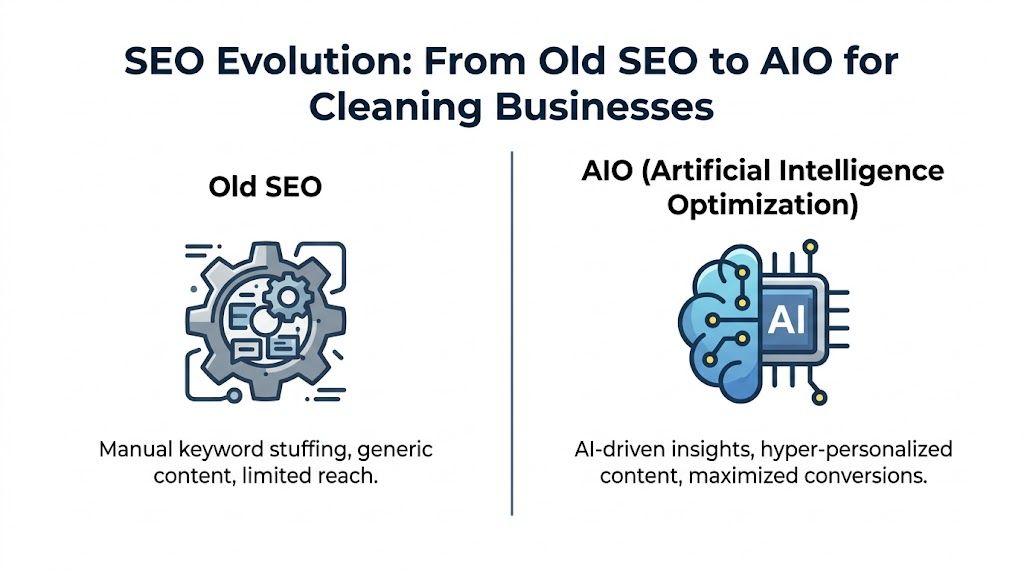
Old SEO for cleaners usually has four weak spots:
That’s why many cleaning websites look active but don’t turn search into revenue.
Practical rule: If your SEO plan ends at “get more traffic,” it’s incomplete. Cleaning SEO should end at booked jobs.
I use AIO here as AI-optimized operations across search, content, and conversion. It’s not just “use ChatGPT to write blogs.” It’s using AI to support the whole funnel. Topic discovery, page drafting, FAQ generation, structured data ideas, lead qualification, and estimate delivery all work better when they’re connected.
Google also evaluates service businesses through trust and usefulness, not just keyword placement. For cleaning companies, that means your site has to show real service coverage, clear service detail, proof, reviews, and practical answers. If you want a broader framework for how AI is changing search strategy, Sight AI’s definitive guide to AI search engine optimization is a useful companion read.
| Factor | Old SEO Approach (Pre-2024) | AIO Approach (2026+) |
|---|---|---|
| Keyword strategy | Broad terms like “cleaning service” repeated across pages | Specific service + location + intent clusters |
| Content creation | Manual, slow, often generic | AI-assisted drafting with human cleanup and trust signals |
| Search visibility | Focus on blue links only | Built for maps, rich results, FAQs, and zero-click realities |
| User experience | Contact form and phone number | Guided conversion paths with fast responses and estimate capture |
| Local relevance | Thin city mentions | Dedicated service area pages with locally useful details |
| Measurement | Rankings and traffic | Rankings, estimate requests, booking quality, response speed |
| Competitive edge | More content | Better systems, better trust, faster conversion |
AIO doesn’t replace good SEO fundamentals. It makes them harder to fake and more useful when done right.
For most cleaning businesses, local SEO isn’t one channel among many. It’s the core channel.
When someone searches for maid service, move-out cleaning, recurring house cleaning, or janitorial help, they usually want a nearby provider. That means your Google Business Profile, your local service pages, and your business data consistency do more heavy lifting than broad national SEO tactics.
A lot of cleaning owners “set up” their profile once and leave it half-finished. That’s not optimization. A proven local SEO methodology shows that full Google Business Profile optimization alone can boost local pack visibility by 70%, and businesses with over 50 reviews can rank 2.5 times higher in local searches, according to this cleaning business SEO guide from Housecall Pro.
Your profile needs more than the basics. Fill out:
A strong overview of profile setup lives in Raven SEO’s article on Your Google Business Profile: A Local SEO Powerhouse. It’s worth reviewing if your listing has been neglected.
A cleaning company shouldn’t chase only broad head terms. The better play is matching service with area and buyer need.
Examples:
These phrases belong on the right pages, not stuffed into one homepage.
A homepage can support your local visibility. It shouldn’t carry your whole SEO strategy.
Local SEO gets stronger when Google sees the same business information everywhere. Your name, address, and phone number should match across your website, directories, and profiles. Small inconsistencies create friction.
A practical weekly routine looks like this:
If you want a more detailed walkthrough built specifically for this niche, Estimatty’s guide on SEO for cleaning services is a solid operational reference.
A cleaning website should do two jobs at once. It should help Google understand what you do and help a prospect take action without thinking too hard.
Most cleaning sites fail because they collapse everything into a few pages. One vague homepage. One services page. One contact form. That structure doesn’t help rankings, and it doesn’t help conversions.
The simplest winning structure is usually:
If you offer residential recurring cleans, deep cleans, move-in/move-out cleans, and office cleaning, those shouldn’t live under one generic paragraph. Separate pages let you target clearer search intent and write better copy.
A service page should include:
You don’t need advanced jargon here. You need clean execution.
Use one main topic per page. Put the service and location naturally in the title tag, H1, meta description, body copy, and image alt text where it makes sense. Keep copy readable. If a homeowner reads your page and thinks it sounds robotic, Google probably won’t love it either.
A few practical examples:
| Page type | Better target |
|---|---|
| Homepage | House cleaning in your main city |
| Service page | Deep cleaning for occupied homes |
| Location page | Apartment cleaning in a specific suburb |
| FAQ page | Pricing, arrival windows, supplies, pets, cancellation |
Schema helps search engines interpret your business details. That matters for local service companies. Implementing LocalBusiness schema markup can increase click-through rates by 20-30%, and websites that load in under 2 seconds convert twice as well. A 2024 audit also found that 62% of cleaning company sites fail mobile usability tests, based on benchmarks shared by That Local Pack’s cleaning company SEO analysis.
That one data point explains a lot of underperformance in this market. Many cleaning sites are slow, awkward on mobile, and unclear about what they offer.
Focus on these technical fixes:
If your site still feels like an online brochure, review Estimatty’s article on building a better website for a cleaning business. It aligns well with lead-focused site structure.
Fast pages don’t just rank better. They stop prospects from bouncing before they even understand your offer.
A lot of cleaning businesses treat content like decoration. They publish a few generic posts, ignore them for months, and wonder why nothing changes.
Content works when it does one of three jobs. It answers a buying question, supports a service or location page, or builds authority around the kinds of jobs you want. If it doesn’t do one of those, it’s noise.
The strongest content isn’t always flashy. It’s specific.
For residential cleaners, strong topics include:
For commercial cleaners, the angle changes:
You can see the pattern. Each topic attracts a prospect who’s already moving toward a buying decision.
AI is useful for topic clustering, outlining, FAQ expansion, and first drafts. It’s bad when owners publish untouched output that says the same thing every other local cleaner says.
That distinction matters. One case study showed a cleaning business using AI-assisted content to draft 10 city pages and 4 FAQ blogs in two weeks, then refine them with trust signals, after which the business secured top-5 local map pack rankings for five locations and landed two commercial contracts, according to Method Clean Biz’s write-up on AI search for cleaning businesses.
That result didn’t come from pressing a button. It came from editing the draft into something trustworthy.
Use AI for speed, then add what only your business knows:
If you need topic inspiration that’s usable across blog, social, and landing pages, Estimatty’s roundup of content ideas for social media is a useful planning prompt.
The best cleaning content usually starts as a real customer question. SEO just gives that answer a shelf life.
Growth creates another content need. Recruiting.
Many cleaning companies scale lead generation and then hit an ops bottleneck because they can’t staff consistently. Publishing hiring content, onboarding pages, and culture pages can help. For that side of the business, it also makes sense to study content patterns on operational blogs such as estimatty.com/blog and get.pipehirehrm.com/blog, especially if you’re balancing customer acquisition with cleaner recruitment.
Cleaning is a trust business before it’s a price business. People let you into homes, offices, clinics, and buildings. Search engines know that, so they look for trust signals that support your local relevance.
Two of the strongest are reviews and citations.
A lot of owners ask for reviews only when they remember. That produces random results. The stronger approach is operational. Ask after a successful job, at the right moment, through the same process every time.
A practical review system usually includes:
Responding matters because prospects read those responses to judge how you handle issues. A polite, specific response often does more for trust than the original star rating.
Citations are mentions of your business information across directories and local sites. They’re not glamorous, but they help validate your local presence.
Focus on quality and consistency. A smaller set of accurate listings beats a messy sprawl of half-complete profiles.
Good citation targets include:
The usual review and citation mistakes are avoidable:
| Mistake | Why it hurts |
|---|---|
| Asking only once in a while | Review growth stalls |
| Using different phone numbers across listings | Local trust signals weaken |
| Ignoring negative reviews | Prospects see silence as indifference |
| Building listings with outdated service areas | You rank for the wrong footprint |
A well-maintained trust layer also gives prospects confidence before they ever submit a form. If you want to see what buyer-facing proof can look like when organized clearly, Estimatty’s customer testimonials page is a straightforward example of how social proof can be presented without clutter.
A cleaning company rarely loses trust because of one bad review. It loses trust when no one responds and nothing looks maintained.
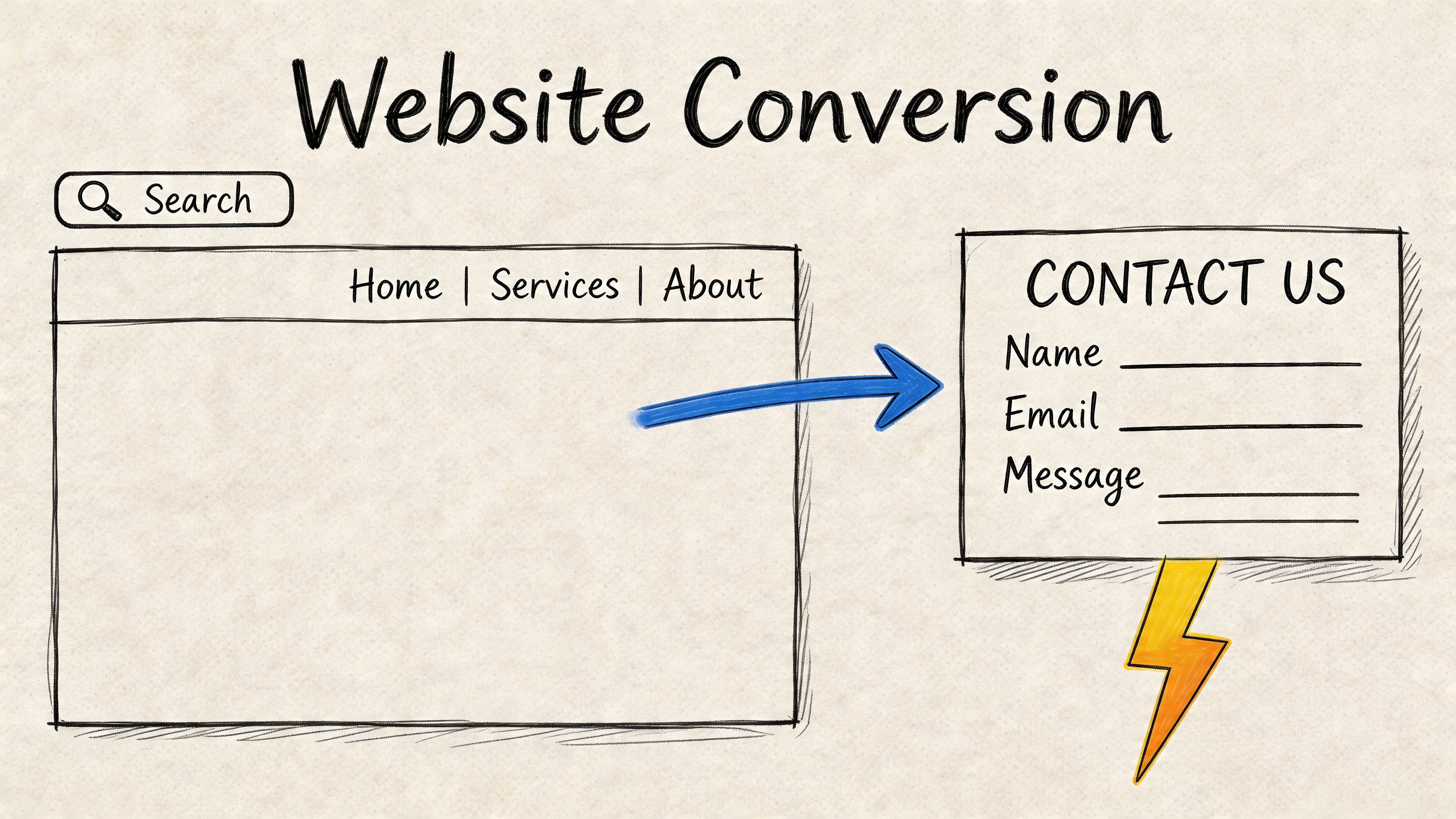
Most cleaning SEO plans fall apart when they work hard to earn a click, only to then send that visitor into a dead end.
The common setup is familiar. A homepage with a phone number. A short form. Maybe a contact page. If the office is closed, the lead waits. If the prospect wants a rough estimate now, they leave. If the form feels vague, they compare three more companies.
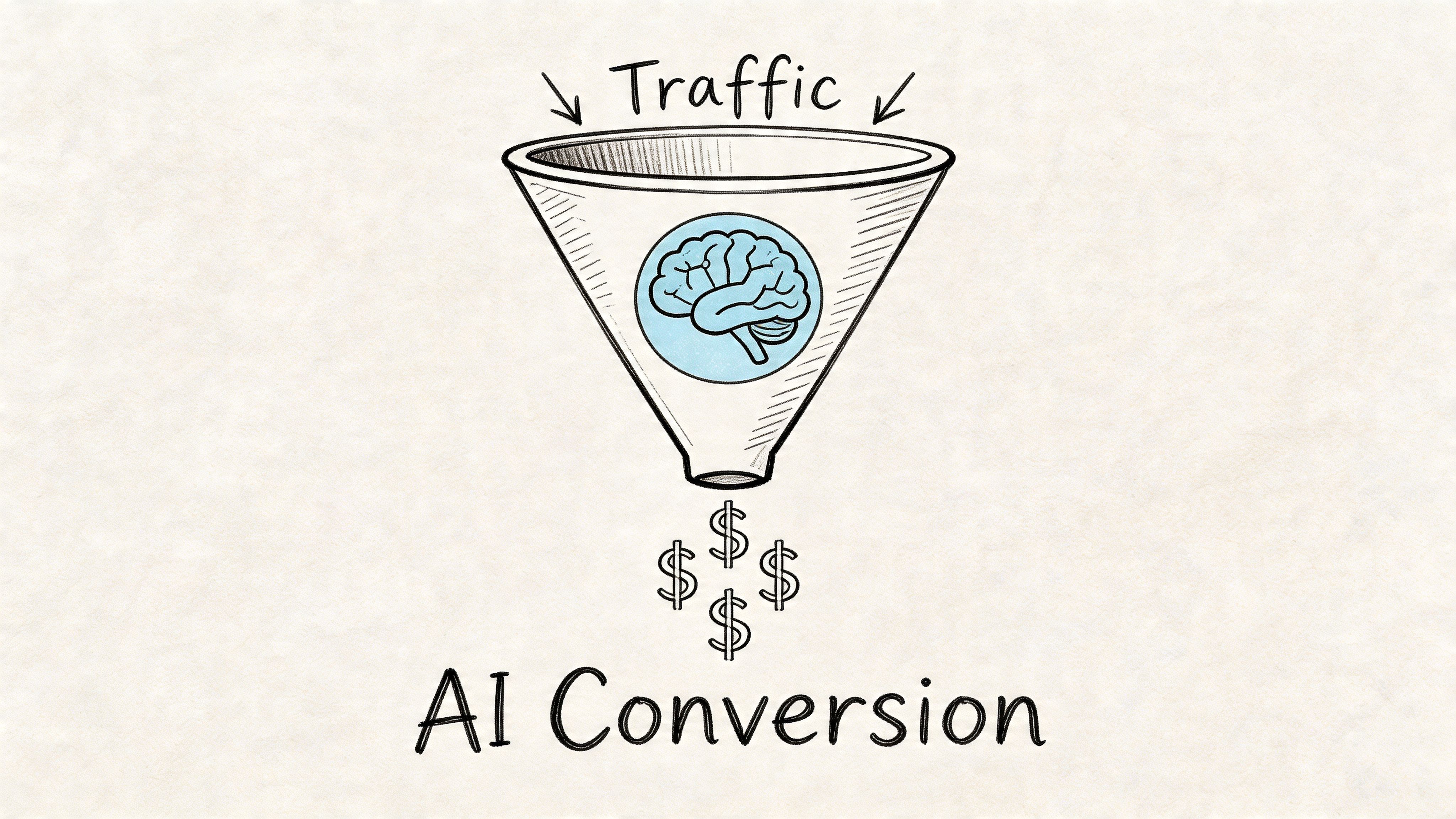
The biggest gap in cleaning SEO content is post-click conversion. Many searches happen outside business hours, and AI estimators address that by engaging visitors immediately. Industry veterans have shown these tools can increase qualified leads by 30-50% in major markets, according to this analysis of cleaning SEO mistakes that cost clients.
That finding matches what operators see in the field. Search traffic has value only when someone catches it fast.
A modern conversion path for a cleaning company should do four things:
One tool can materially change the economics of your SEO. An AI estimator such as Estimatty can sit on your site and handle incoming estimate requests around the clock, capture details like square footage and service type, send estimates by SMS or email, and notify your team in real time. That turns SEO from a traffic channel into a response system.
If you want a deeper look at that operating model, Estimatty’s piece on AI sales automation for cleaning services covers the mechanics well.
The key trade-off is straightforward:
| Approach | Likely result |
|---|---|
| Form-only website | Slower response, more abandoned leads |
| Phone-only reliance | Missed after-hours demand |
| Manual back-and-forth | Inconsistent estimating and staff bottlenecks |
| AI-assisted estimate flow | Faster qualification and cleaner follow-up |
That doesn’t mean every lead should stay with AI all the way through. Some jobs need human review. Commercial walkthroughs, unusual properties, and special requests still benefit from a real person. The win comes from letting automation handle the front end so your staff spends time on better opportunities.
Here’s a product walkthrough that shows how this type of system fits into a cleaning website.
For cleaning companies, the strongest conversion language is specific. “Get estimate,” “check pricing,” “see service cost,” and “request move-out estimate” are clearer than generic contact prompts.
That shift sounds small, but it aligns with buyer intent. Most prospects don’t want a conversation first. They want clarity first.
If you only track rankings, you’ll miss the complete story. Cleaning SEO should be measured against operational outcomes.
The most useful metrics are the ones that connect visibility to work won. In practice, that means looking at search data, local actions, lead quality, and fulfillment capacity together.
Use Google Search Console, Google Analytics, and your CRM or intake system to watch:
A healthy SEO program should make it obvious which pages are producing residential demand, which ones attract commercial inquiries, and where prospects drop off.
More leads create a different problem. Staffing.
That’s where a lot of cleaning businesses stall. Marketing starts working, but recruiting, scheduling, and retention lag behind. If you need support on the labor side, pipehirehrm.com is worth reviewing for hiring and workforce management workflows built around cleaning operations. It’s a practical complement when demand starts outpacing team capacity.
More leads don’t fix operations. They expose weak operations faster.
The best signal that your seo cleaning business strategy is working isn’t “we published more content” or “we improved impressions.” It’s simpler than that.
You’re showing up for the right local searches. Prospects trust what they see. They request estimates without friction. Your team can fulfill the work. That’s the whole system.
If your cleaning company is getting traffic but too many prospects disappear before booking, Estimatty gives you a way to turn search demand into fast, consistent estimates on your website and over the phone, including after hours when manual follow-up usually fails.